
Traffic survey services Oman

Traffic Survey Services

We specialize in Traffic Survey Services focused on Automatic Traffic Counts (ATC) and Manual Classified Counts (MCC) to support roadway design, traffic analysis, and infrastructure planning. These services provide accurate, time-specific traffic volume data—classified by vehicle type and direction—over extended survey periods (14 hours, 24 hours, or 72 hours).

Our deliverables are used by designers, consultants, and transport planners to assess existing traffic conditions and plan for upcoming infrastructure projects such as new road connections to expressways or widening existing corridors through additional lane implementation.
Image

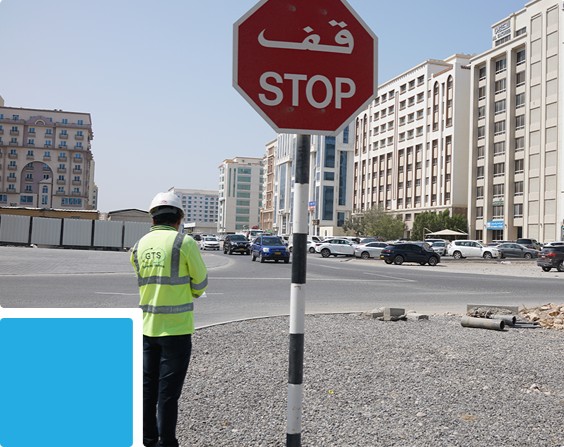
Manual Classified Counts (MCC)

Our MCC services involve trained surveyors manually recording vehicle movements at key locations. Data is categorized by vehicle type and movement direction to reflect real-world usage patterns across intersections, corridors, or junctions.

Best For:
Urban and rural intersections, expressway access points, arterial roadways, and complex traffic behavior analysis.

Services & Deliverables:

  • Vehicle Classification by Type – Categorized counts of different vehicle types (cars, buses, trucks, LCVs, two-wheelers, etc.).
  • Directional Volume Counts – Traffic flow by approach and departure direction to support intersection design.
  • Peak Hour & Total Volume Analysis (14H/24H/72H) – Extended monitoring for average and peak demand capture.
  • Turning Movement Counts (if applicable) – Movement patterns at key junctions for signalization and turning lane planning.

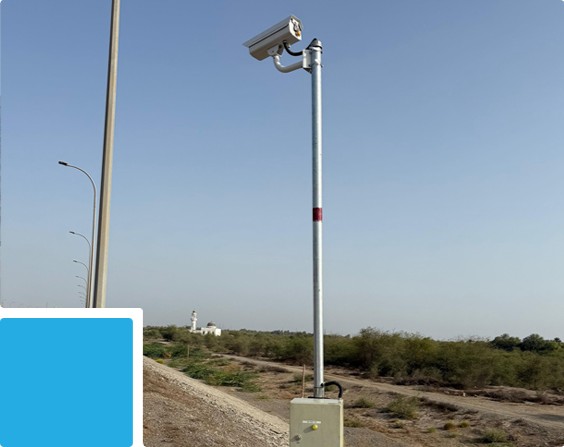
Automatic Traffic Counts (ATC)

Our ATC services use technologies such as pneumatic road tubes or radar sensors for continuous, non-intrusive traffic data collection. This ensures consistent accuracy over long durations and is ideal for supporting roadway capacity and upgrade projects.

Best For:
Road segments feeding into expressways, high-speed corridors, and projects requiring continuous traffic monitoring.
Services & Deliverables:

  • Hourly Traffic Volume by Vehicle Class – Automatic vehicle classification for design and impact studies.
  • Directional Traffic Flow – Distribution of traffic per direction for lane and ramp design.
  • Duration-Based Analysis (14H/24H/72H) – Data collection over specific timeframes, including weekday vs. weekend variations.
  • Speed & Volume Profiles (if sensors allow) – Insight into typical vehicle speeds and flow rates for design and safety analysis.
Image

Frequently Asked Questions

MCC surveys involve trained surveyors manually recording vehicle movements at key locations, categorizing traffic by vehicle type and direction of travel.
MCC is ideal for urban and rural intersections, expressway access points, arterial roadways, and locations with complex traffic patterns.
Vehicle classification by type (cars, buses, trucks, LCVs, two-wheelers, etc.)
Directional volume counts for each approach and departure
Peak hour and total traffic volumes (14H/24H/72H)
Turning movement counts at junctions (if applicable)
Data is used for intersection design, signal planning, turning lane requirements, traffic impact analysis, and congestion management.
ATC surveys use pneumatic road tubes, radar sensors, or other automated devices for continuous, non-intrusive traffic monitoring over extended periods.
ATC is suitable for road segments feeding expressways, high-speed corridors, and projects requiring long-term, continuous traffic monitoring.
Hourly traffic volume by vehicle class
Directional traffic flow
Duration-based traffic profiles (14H/24H/72H)
Vehicle speed and flow rates (if sensors allow)
ATC results inform roadway capacity studies, design of lanes and ramps, signal timing, highway planning, and safety analysis.
Continuous monitoring with minimal human intervention
High temporal resolution for peak vs off-peak analysis
Consistent accuracy over long durations
Up