Hydrographic & Bathymetric Survey Oman

Bathymetric Survey Services

We offer high-precision Bathymetric Survey Services designed for contractors and engineering consultancies engaged in coastal and marine infrastructure development. Utilizing Multibeam Echo Sounders (MBES) for underwater mapping and UAV-based topographic surveys for coastal terrain, we deliver seamless, construction-grade data from land to seabed—essential for design validation, construction planning, and accurate volume estimation.

Our integrated approach ensures precise modeling of both terrestrial and subaqueous conditions, supporting confident decision-making for resorts, ports, jetties, breakwaters, and other marine-related infrastructure.

Image

Multibeam Echo Sounder (MBES) Surveys

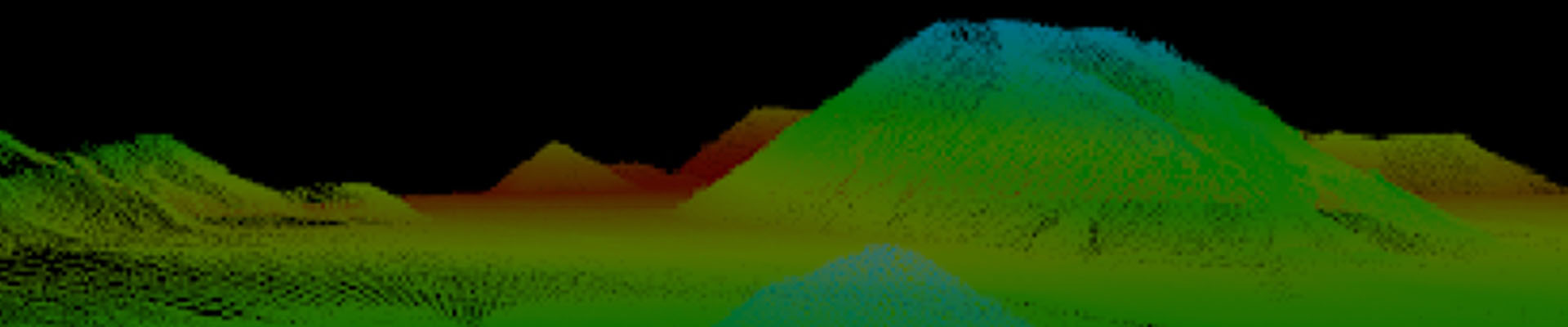
Our MBES services capture dense, full-coverage depth data across wide swaths, generating high-resolution 3D models of the seafloor. This information is crucial for assessing construction feasibility, marine structure placement, and dredging calculations.

Best For:

  • Coastal and resort developments
  • Port planning and expansion
  • Breakwaters and coastal protection systems
  • Offshore piling and foundation works
  • Marine dredging and reclamation

Services & Deliverables:

  • Detailed Bathymetric Maps – Geo-referenced seabed models for design and layout planning.
  • 3D Seabed Surface Models – High-resolution terrain models showing depth variations and subsea features.
  • Volume & Quantity Estimations – Pre-construction data for dredging, excavation, or reclamation.
  • Change Detection (if required) – Comparative surveys for monitoring progress or verifying as-built conditions.

Integrated Land-Sea Survey

Our integrated land-sea survey services combine MBES bathymetric data with UAV-based topographic mapping (LiDAR or photogrammetry). The result is a seamless, geo-referenced elevation model from land to sea for precise engineering, grading, and construction alignment.

Best For:
Resort master planning and beachfront development Marina, jetty, and port design Coastal infrastructure and access roads Underwater structure placement and shore protection systems

Services & Deliverables:

  • Merged Land-Sea Point Cloud – Combined datasets for continuous surface modeling.
  • Topographic-Bathymetric Cross Sections – Profiles extending from land into sea for foundation design.
  • Digital Terrain Models (DTMs) & Surface Models (DSMs) – Classified elevation data for drainage, grading, and structural planning.
  • Orthophotos & Contour Mapping – High-resolution imagery and elevation contours for documentation.
  • Ground Control Integration – Survey-grade GNSS ensures alignment of aerial and underwater datasets.
  • Engineering-Ready Data Packages – Deliverables in CAD, GIS, and modeling-compatible formats.
  • Design & Construction Alignment Support – Data to reduce seabed-related construction risks.
Image

Frequently Asked Questions

MBES surveys use sonar systems that emit multiple acoustic beams to capture dense, full-coverage depth data across the seabed, creating high-resolution 3D models.
Ideal for coastal and resort developments, port planning and expansion, breakwaters, offshore piling, dredging, and reclamation projects.
MBES provides survey-grade, high-resolution depth and terrain data suitable for engineering design, volume calculations, and construction planning.
Deliverables include detailed bathymetric maps, 3D seabed surface models, depth contours, volume and quantity estimations, and optional change detection reports.
Yes. Repeat surveys allow comparison over time to monitor dredging progress, verify as-built conditions, and detect sediment movement or erosion.
It combines MBES bathymetric data with UAV-based topographic mapping (LiDAR or photogrammetry) to create a seamless elevation model from land into sea.
This approach is ideal for resort master planning, marina and jetty design, coastal infrastructure development, access roads, and underwater structure placement.
Survey-grade GNSS ground control ensures precise georeferencing and alignment of aerial and underwater datasets.
Deliverables include merged land–sea point clouds, DTMs and DSMs, orthophotos, contour maps, and topographic-bathymetric cross-sections.
Yes. All outputs are delivered in CAD-, GIS-, and modeling-compatible formats ready for design, grading, and construction planning.
Seabed models provide reliable volume and quantity estimates for dredging, excavation, or reclamation, reducing construction risk.
Yes. Detailed depth data identifies seabed features, slopes, and underwater obstacles, helping minimize design and construction uncertainties.
Yes. Survey results can be used for engineering approvals, environmental assessments, and statutory compliance.
Yes. Progress and as-built surveys can be conducted to verify construction alignment and monitor seabed changes.
Up